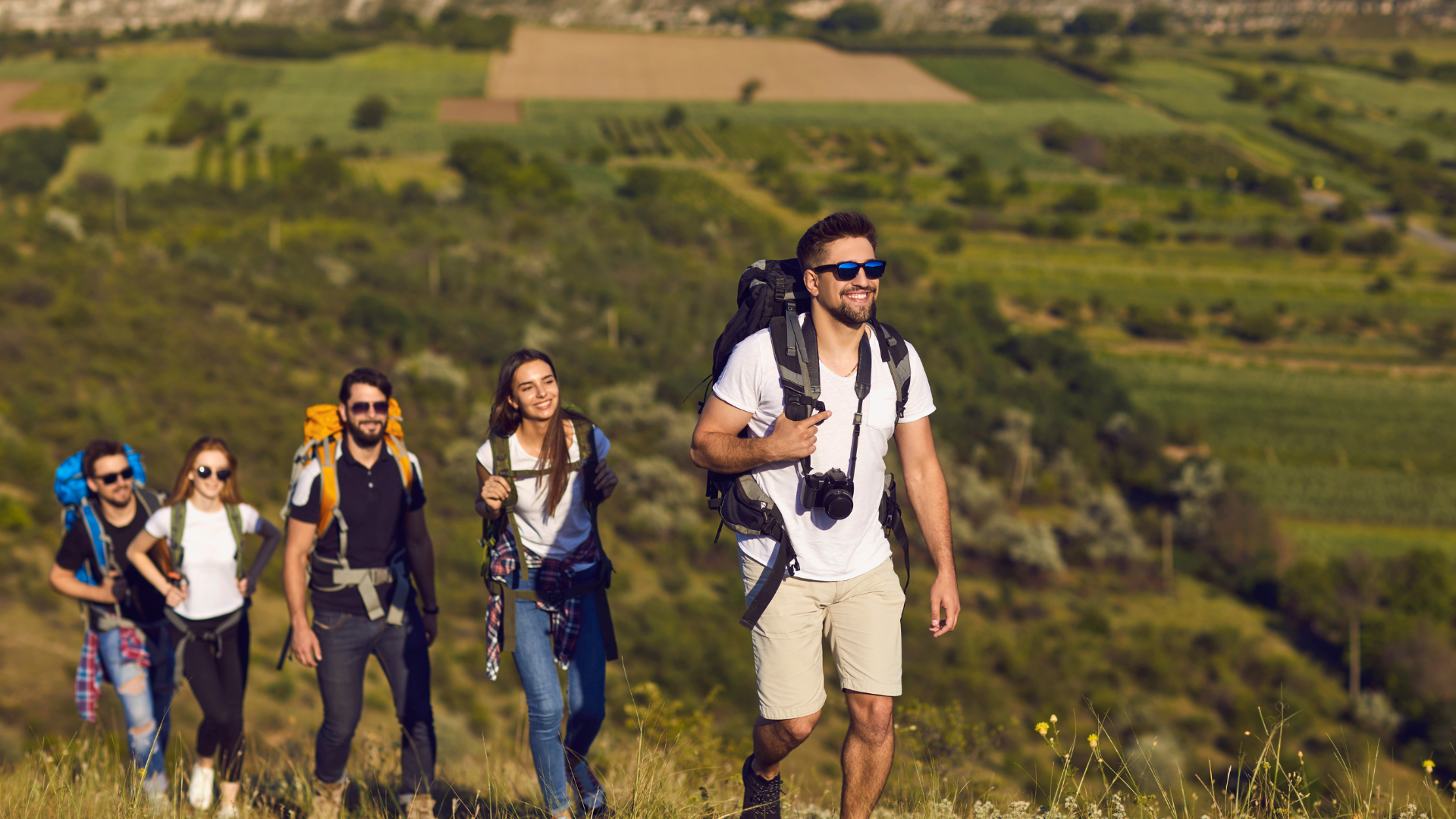
Planning a trip with friends can be both exciting and challenging. It’s essential to align everyone’s interests, budgets, and schedules to create a memorable experience. To create the perfect trip, start by engaging all group members in the planning process, ensuring that everyone feels involved and valued.
Choosing a destination that appeals to the whole group is crucial. Consider factors like activities, climate, and travel time. Establishing a group chat or using planning tools can streamline communication and help organize thoughts and preferences effectively.
Budgeting is another key aspect of planning. Setting a clear budget from the beginning can prevent misunderstandings later. With open dialogue and collaboration, a well-planned trip can strengthen friendships and create lasting memories.
Establishing Group Expectations and Budget
Clear communication is essential for a successful group trip. Establishing expectations and budgeting early can prevent misunderstandings and ensure everyone is on the same page.
Choosing Compatible Travel Companions
Selecting the right group members is crucial. Everyone’s personality and travel preferences should align to create a harmonious experience. Consider the following factors:
- Travel Preferences: Does everyone prefer adventure or relaxation?
- Lifestyle Compatibility: Are the individuals who travel frequently or infrequently together?
- Conflict Resolution: How do these individuals handle disagreements or unexpected changes?
Having a well-balanced group can lead to fewer conflicts and a more enjoyable trip overall.
Aligning Travel Styles and Preferences
Different travelers have distinct styles. Each person may have their own pace, interests, and priorities during the trip.
- Activity Level: Some may prefer hiking, while others enjoy lounging at the beach.
- Dining Preferences: From gourmet restaurants to budget eats, understanding everyone’s tastes can help plan meals.
- Scheduling Flexibility: It’s important to define whether the group wants a structured itinerary or more free time.
Discussing these aspects helps ensure that the itinerary accommodates everyone’s needs, making the trip more enjoyable.
Open Budget Discussions and Expense Planning
Financial transparency is vital in group trip planning. Addressing budget concerns upfront minimizes stress later. Here are key steps to consider:
- Define the Budget: Set a comfortable spending limit for each person.
- Discuss Costs: Be clear about shared expenses such as accommodations, dining, and activities.
- Track Expenses: Use apps to track shared costs easily, ensuring everyone contributes fairly.
Encouraging open conversations about finances will prevent misunderstandings and make sure all group members feel valued and included.
Selecting Travel Dates and Destination
Choosing the right travel dates and destination is crucial for a successful trip with friends. This process involves coordinating schedules, narrowing down potential locations, and ensuring everyone’s interests and budgets align.
Coordinating Schedules and Availability
The first step in planning a trip is to find a time that works for everyone. Each person’s availability should be considered, which can be achieved through tools like Doodle or Google Calendar.
- Create a Poll: Use a scheduling tool to suggest multiple dates and see which ones suit the majority.
- Check for Conflicts: Consider major events, holidays, or personal commitments that might affect availability.
Once a shortlist of potential dates is established, confirm everyone’s preferences. It’s important to allow for some flexibility, as not all group members may be able to travel on the same dates.
Shortlisting Ideal Destinations
With travel dates agreed upon, the next task is selecting destinations. Factors to consider include climate, accessibility, and activities available.
- Brainstorm Locations: Have a group session to list potential destinations.
- Research: Use social media, travel blogs, and review sites to gather information.
- Consider Travel Time: Proximity plays a significant role; the shorter the travel time, the more time available for enjoyment.
Create a shortlist based on popularity and accessibility before moving on to the next step.
Matching Interests and Budget to a Location
Once destination options are narrowed down, matching them with the group’s interests and budget is essential. Understanding everyone’s preferences will ensure a more enjoyable trip.
- Assess Interests: List activities that group members are excited about, such as beaches, hiking, or city exploration.
- Set a Budget: Determine how much each person is comfortable spending, including travel, accommodation, and activities.
Balancing interests with financial constraints will guide the final destination choice. This process helps ensure every participant is excited about the trip while staying within budget.
Arranging Accommodations and Transportation
Choosing the right places to stay and how to travel can significantly impact the overall experience of a trip with friends. Attention to specifics when planning these aspects will ensure comfort and convenience for the group.
Comparing Vacation Rentals and Hostels
Vacation rentals offer unique advantages, such as spacious living areas, kitchens, and often private bedrooms. Websites like Airbnb or Vrbo provide a range of options to fit different budgets. This arrangement is excellent for groups wanting a home-like environment.
In contrast, hostels are more budget-friendly and are often located in central areas. They provide shared dormitory-style rooms, which foster social interaction. Many hostels also have communal kitchens and lounges. Depending on the group’s preference for privacy or interaction, they can choose accordingly.
Booking Flights and Ground Transport
When booking flights, using comparison tools like Google Flights or Skyscanner can help find the best deals. It’s smart to book early, as prices can rise closer to the departure date. Look for direct flights for convenience when traveling with a group.
For ground transport, consider renting a van for easy transit or public transport for cost-effectiveness. Local ride-sharing services can also assist with getting around if public transport options are limited. It’s vital to coordinate arrival times for seamless transfers.
Splitting Accommodation and Travel Costs
To manage finances fairly, use apps like Splitwise to track and split costs among the group. Establish a budget at the trip’s beginning. Decide on a set amount for accommodation and transportation to avoid discrepancies.
Consider creating a shared spreadsheet to include all expenses, which allows everyone to view their contributions at any time. This transparency can prevent misunderstandings and ensure that all members of the group are on the same page.
Building Your Itinerary and Preparing for Travel
Creating a well-structured itinerary is essential when planning a group trip. Effective preparation can enhance the travel experience, ensuring everyone enjoys the adventure without unnecessary stress.
Collaborative Planning of Activities
Involving all group members in planning activities is crucial. Each person may have unique interests, and a collaborative approach helps cater to diverse preferences.
Tools like Google Docs or Trello can enable real-time input from everyone. By listing potential activities, they can vote on options, ensuring the final itinerary reflects the group’s desires.
Considerations include:
- Time for relaxation and downtime.
- A balance of adventurous and low-key activities.
- Availability of reservations, especially for popular attractions.
Having alternative options ensures flexibility, accommodating any last-minute changes.
Meal Planning and Dining Options
Food is a central part of any trip, so planning dining options ahead can prevent confusion and accommodate different dietary needs.
Discuss preferences early on; some may prefer fine dining, while others lean towards casual eateries. Creating a list of restaurant options helps narrow choices.
Suggested strategies include:
- Researching nearby restaurants with diverse cuisines.
- Making reservations for popular spots to avoid long waits.
- Scheduling group meals to foster bonding time.
Consider including a mix of dining experiences, such as picnics or communal cooking sessions, to create memorable moments.
Packing Essentials for Group Trips
Efficient packing can significantly streamline the travel experience. Encourage group members to create a shared packing list to avoid duplication and ensure all essentials are covered.
Key items to include are:
- Travel documents (ID, tickets, etc.).
- Group gear (first aid kit, games, etc.).
- Shared items (snacks, toiletries).
Use packing cubes or bags to organize belongings. Remind everyone to pack based on planned activities, such as hiking gear or swimwear, to maximize usability. By preparing in advance, the group can enjoy smoother travel and minimize last-minute scrambles.