Cuba is often celebrated for its vibrant cities and rich history, but exploring Cuba’s hidden gems reveals a travel experience that goes far beyond the typical tourist path. From secluded beaches to charming villages, travelers can uncover unique spots that showcase the island’s diverse culture and stunning natural beauty.
In addition to its famous attractions, Cuba offers a myriad of lesser-known locales where visitors can enjoy authentic interactions and sample unique cuisine. These hidden treasures provide a glimpse into the everyday lives of locals, enriching the overall travel experience.
With its untouched landscapes and vibrant micro-communities, Cuba invites adventurers to step off the beaten path. Those who seek out these hidden gems are rewarded with unforgettable moments and a deeper appreciation of the island’s charm.
Unveiling Cuba’s Hidden Gems: Off-the-Beaten-Path Destinations
Cuba offers unique experiences beyond its popular tourist spots. These hidden gems showcase breathtaking landscapes, rich history, and vibrant culture, providing visitors with authentic insights into local life.
Baracoa: The Cradle of Cuban History and Nature
Baracoa is often regarded as the oldest city in Cuba, rich in history and natural beauty. Nestled between the Sierra del Purial mountains and the Atlantic Ocean, it boasts stunning landscapes and pristine nature reserves. Notable attractions include Alejandro de Humboldt National Park, a UNESCO World Heritage site known for its diverse ecosystems.
Visitors can explore the El Yunque, a flat-topped mountain offering panoramic views and hiking trails. Baracoa is also famous for its unique cuisine, particularly the rich chocolate produced locally. Taste the delightful chocolate Baracoa, and you will find flavors unlike any other in Cuba. The city celebrates its heritage through local festivals, including the Festival de Cine Pobre, which celebrates independent cinema.
Gibara: The Seaside Town with Artistic Flair
Gibara, a small fishing town, is celebrated for its artistic spirit and beautiful coastal scenery. The town features a charming historic city center with vibrant colonial architecture. Local art galleries line the streets, showcasing the works of talented Cuban artists who draw inspiration from their surroundings.
Seafood lovers will enjoy fresh offerings at local restaurants, where one can savor the catch of the day. Gibara also hosts the Festival de Cine Pobre, which helps to promote its cultural identity and engage the community. The town’s laid-back atmosphere and picturesque beaches create an ideal environment for relaxation and cultural exchange.
Remedios: Colonial Splendor and Festive Spirit
Remedios is known for its colonial architecture and enchanting holiday celebrations. The town’s layout features winding streets and charming plazas that reflect its rich history. Noteworthy is the Iglesia de San Juan Bautista, an iconic church showcasing exquisite Baroque design.
Each December, Remedios comes alive with its vibrant Christmas celebrations, distinct from their local traditions. The festive atmosphere draws visitors and locals alike, making it a highlight in the Cuban calendar. Remedios also stands out for its unique cultural offerings, providing an authentic glimpse into traditional Cuban life.
Exploring Cuba’s Natural Wonders and Outdoor Activities
Cuba’s diverse landscapes offer an array of activities that cater to nature enthusiasts. From breathtaking valleys to serene lakes, the island is dotted with hidden gems waiting to be explored. These sites provide unique experiences, blending adventure with the beauty of Cuba’s untouched nature.
Viñales Valley: Tobacco-Growing Region and Scenic Beauty
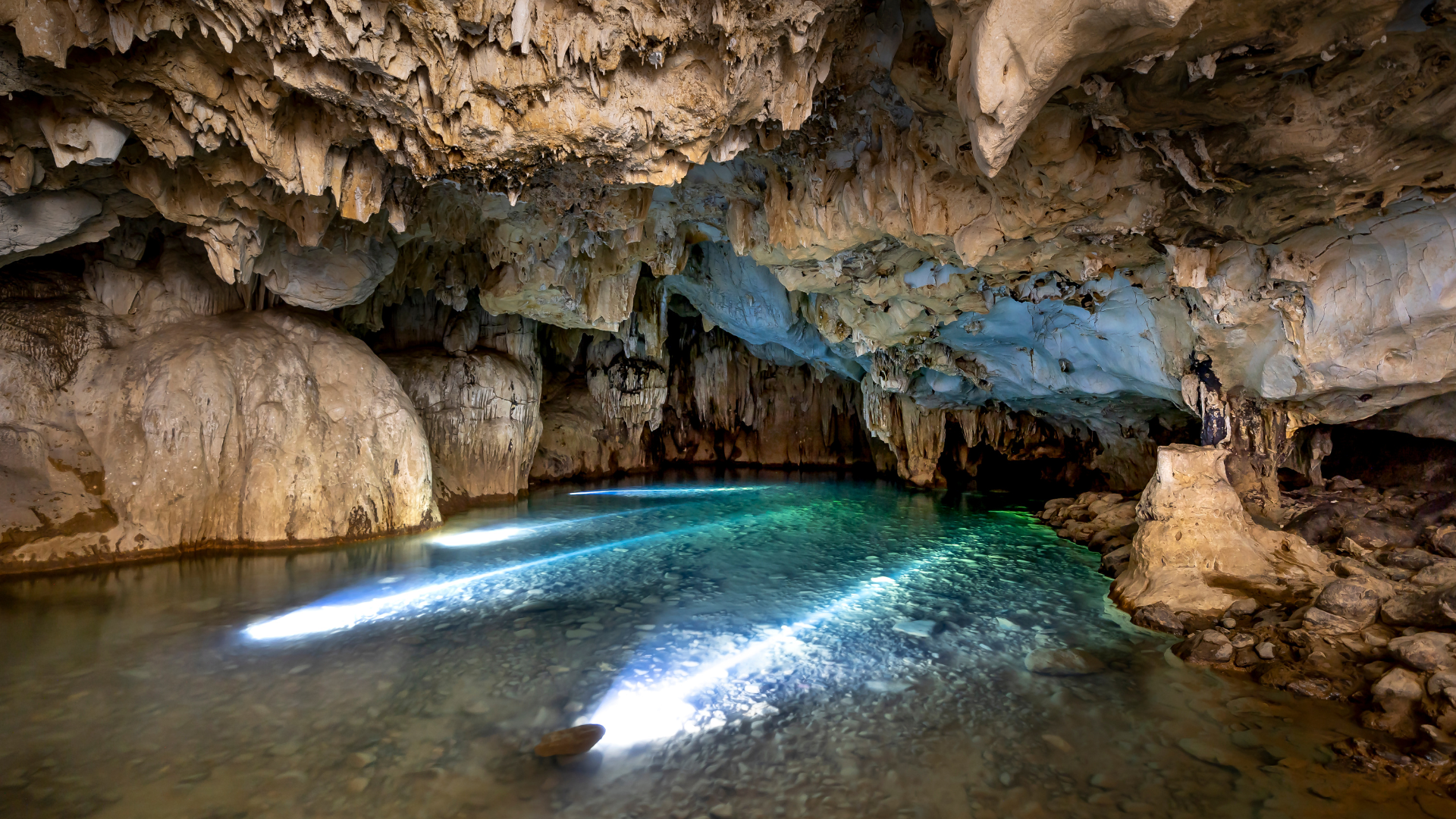
Viñales Valley is renowned for its dramatic limestone mogotes and vibrant tobacco plantations. This UNESCO World Heritage Site features lush landscapes ideal for hiking and biking. Visitors can explore Cueva del Indio, a stunning cave offering guided tours through its fascinating formations.
The area also boasts a variety of hiking trails that wind through tobacco fields and stunning rock formations. Travelers can indulge in local cuisine while enjoying the majestic scenery. The tranquility of this region makes it an exceptional spot for nature lovers and photographers alike.
El Nicho Waterfalls and Hanabanilla Lake: Freshwater Escapes
El Nicho Waterfalls presents a refreshing outdoor experience within Cuba’s natural beauty. This series of cascades tumbles through lush foliage, creating picturesque swimming spots. Visitors can take leisurely hikes to discover hidden pools, perfect for cooling off.
Nearby Hanabanilla Lake is ideal for kayaking and fishing. The lake is surrounded by mountains, enhancing its serene atmosphere. Hiking trails encompass the area, offering breathtaking views of the falls and opportunities for birdwatching. This combination of activities attracts adventure seekers and families alike.
Cayo Largo and Playa Sirena: Pristine Beaches and Water Adventures
Cayo Largo is a paradise for beach lovers, featuring Playa Sirena with its soft white sands and crystal-clear waters. This island retreat allows visitors to unwind and indulge in various water sports, such as snorkeling and diving. The vibrant coral reefs nearby are home to diverse marine life, making it a top spot for underwater exploration.
Sunbathing and relaxing on the beach can also be enjoyed, with plenty of opportunities for boat excursions to nearby islets. Factors like the tranquil environment and spectacular sunsets enhance the allure of this destination.
Alejandro de Humboldt National Park: Biodiversity Hotspot
Alejandro de Humboldt National Park is a UNESCO World Heritage Site that showcases Cuba’s rich biodiversity. The park features diverse ecosystems, from lush rainforests to rugged mountains. It provides excellent hiking opportunities along trails that showcase unique flora and fauna.
A highlight includes birdwatching, with many endemic species thriving in this habitat. Guided tours offer insights into the park’s environmental significance and conservation efforts. The breathtaking landscapes and variety of outdoor activities make it a must-visit for nature enthusiasts.
Cultural and Historical Highlights of Lesser-Known Cuban Cities
Cuba offers a mosaic of cultural and historical treasures beyond its popular destinations. Lesser-known cities like Cienfuegos, Sancti Spíritus, Camagüey, and Santa Clara reveal rich colonial architecture, vibrant music scenes, and significant historical sites that invite exploration.
Cienfuegos: Pearl of the South and Neoclassical Charm
Cienfuegos, known as the “Pearl of the South,” boasts stunning neoclassical architecture. The Palacio Provincial and the Tomas Terry Theater are standout landmarks that showcase this city’s elegant design.
Its Punta Gorda neighborhood provides picturesque waterfront views. Visitors can stroll along the bay, enjoying the vibrant rhythms of local music echoing from nearby venues. Cienfuegos’ unique blend of French and Afro-Cuban heritage creates a charming cultural atmosphere.
Sancti Spíritus and Trinidad: Colonial Towns with Enduring Legacies
Sancti Spíritus features cobblestone streets and historical buildings that tell stories of the past. The Plaza Mayor is home to the Parroquia Mayor, an architectural gem that draws admirers.
Just a short journey away, Trinidad, a UNESCO World Heritage site, enchants with its colonial-era architecture. The Museo Romántico and Palacio Brunet offer insights into its rich history. Both towns celebrate their cultural heritage through traditional music and vibrant festivals, making them a delight for visitors.
Camagüey: Labyrinthine Streets and Vibrant Art
Camagüey stands out with its unique urban layout, where narrow, winding streets create a maze-like experience. This design was historically intended to confuse pirates and invaders.
Art galleries and cultural spaces dot the city, showcasing local talent and creativity. Walking tours enable visitors to discover the vibrant cultural scene. Notable murals and street performances capture the spirit of the city, blending history with contemporary expressions.
Santa Clara: Revolutionary Spirit and Contemporary Culture
Santa Clara is known for its revolutionary spirit, highlighted by the Che Guevara Mausoleum. This site honors the legacy of the iconic figure, attracting numerous visitors each year.
The city’s cultural scene thrives at Teatro La Caridad, where performances embody Cuban music and dance traditions. Santa Clara’s commitment to preserving its history while embracing modern culture makes it a significant destination in Cuba’s narrative.
Authentic Cuban Experiences: Culture, Cuisine, and Local Life
Cuba offers a rich tapestry of experiences that immerse travelers in its unique culture. From vibrant urban explorations in Havana to the delightful world of traditional cuisine, the local life reflects the island’s diverse heritage and warmth.
Havana Beyond the Guidebook: Urban Exploration
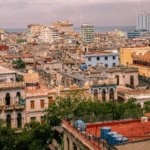
Havana’s hidden corners invite exploration beyond the typical tourist spots. Strolling through the historic city center, visitors discover lively streets where architecture tells stories from the colonial era.
Walking tours reveal colorful murals and community art projects. Biking along the Malecón allows travelers to enjoy coastal views while observing daily life.
Street performances, often featuring local musicians, showcase the city’s vibrant cultural scene. Participating in these urban adventures provides insight into the true essence of Havana and fosters a genuine connection with its people.
Traditional Flavors and Unique Culinary Adventures
Cuban cuisine is an intricate blend of indigenous, Spanish, and African influences. Exploring local eateries, travelers encounter dishes like fish in coconut sauce and the renowned chocolate from Baracoa.
Dining at family-run restaurants offers a glimpse into authentic flavors and heartfelt hospitality. The use of fresh seafood and local ingredients enhances the culinary experience.
Unique culinary ventures, such as cooking classes, allow participants to learn traditional recipes. This hands-on experience offers a deeper appreciation of the island’s gastronomy.
Festivals, Celebrations, and Community Life
Cuba’s vibrant festivals are a celebration of culture and community. Events like the Carnaval de Santiago de Cuba showcase dynamic parades, music, and dance that engage locals and visitors alike.
During Christmas celebrations, traditional meals and music resonate through neighborhoods, highlighting the importance of family and community.
Cultural exchanges occur during these festivities, providing opportunities for interactions with residents. These experiences bring the spirit of Cuba alive, highlighting the warmth and enthusiasm of its people.