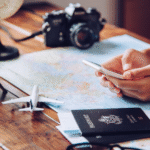
Planning a trip can be an exciting yet overwhelming experience. Many travelers find themselves making critical mistakes that can lead to stress, missed opportunities, and unexpected costs. Identifying and addressing common travel planning pitfalls can significantly enhance the overall travel experience.
From forgetting essential documents to underestimating travel time, these errors can derail even the best-laid plans. Ensuring a well-structured itinerary and allowing for flexibility are key components of successful travel planning. They help to create a more enjoyable and memorable adventure.
Understanding common missteps can empower travelers to navigate their journeys more smoothly. By recognizing potential issues ahead of time, they can take proactive measures to avoid them, leading to more satisfying travel experiences.
Essential Pre-Trip Planning Steps
Effective travel planning involves several critical steps to ensure a smooth experience. Key areas to address include verifying passport and visa requirements, organizing essential travel documents, and familiarizing oneself with local laws and customs.
Ensuring Passport Validity and Visa Requirements
Before booking travel, one must check their passport’s validity. Most countries require that passports be valid for at least six months beyond the intended departure date. They should also confirm specific visa requirements, which vary by destination.
Research may include checking the embassy or consulate website for the country being visited. It is recommended to apply for visas well in advance, as processing times vary.
Additionally, travelers must keep any visa-related paperwork organized, as this could be demanded upon entry. A checklist can help ensure no important requirement is overlooked.
Gathering and Securing Important Travel Documents
Travelers should create a comprehensive list of essential documents before the trip. This list typically includes the passport, visas, ID cards, and travel insurance information. Securing copies of these documents can be invaluable.
Using a travel wallet or folder can help organize and protect these materials. It’s wise to have both physical copies and digital backups saved securely online.
Additionally, credit cards, emergency contact numbers, and reservation confirmations should be easily accessible. Travelers should check their insurance coverage to make sure it includes medical needs abroad.
Staying Informed About Local Laws and Customs
Familiarity with local laws and customs is essential when traveling internationally. Not knowing specific regulations can lead to misunderstandings or even legal trouble.
Consulting guidebooks or reputable online resources can provide insights into local expectations, traditions, and legal restrictions. For instance, behaviors considered acceptable in one country may be frowned upon in another.
Being informed about cultural norms can enhance interactions with locals. Additionally, travelers should consider learning basic phrases in the local language, which can show respect and help foster goodwill.
Booking and Itinerary Management
Effective booking and itinerary management can enhance the travel experience. By focusing on details and avoiding common pitfalls, travelers can create a seamless journey while managing their expectations.
Avoiding Errors in Booking Flights and Accommodations
Travelers should double-check flight details and accommodation specifics upon booking. Common mistakes include incorrect dates or passenger names. It is advisable to confirm the following details:
- Flight Times: Always confirm departure and arrival times.
- Baggage Policies: Know luggage restrictions to avoid extra fees.
- Accommodation Amenities: Verify facilities offered before commitment.
Using reliable booking platforms or direct airline websites can minimize errors. Additionally, keeping all confirmation emails in one accessible folder provides quick reference points.
Confirming Booking Details and Flight Connections
Once bookings are made, confirming all details is crucial. Travelers should:
- Recheck Itinerary: Ensure all flight and hotel bookings align with scheduled plans.
- Monitor Flight Status: Use airline apps for real-time updates on delays or cancellations.
- Allow for Layover Time: Consider longer connections to avoid tight transfers, especially for international flights.
It is also wise to be aware of the departure gate and any changes to prevent confusion or missed flights.
Selecting Vacation Rentals and Popular Activities
When choosing vacation rentals, clarity on the property and locality is essential. Key considerations include:
- Location: Proximity to attractions should match the trip’s focus.
- Reviews: Analyze feedback from previous guests to gauge reliability.
For popular activities, pre-booking is recommended to avoid disappointment. Look into:
- Ticket Availability: Popular sites often sell out quickly.
- Activity Reviews: User feedback can guide choices based on personal interests.
By planning thoughtfully and managing expectations, travelers can optimize their itinerary without overwhelming themselves.
Financial Preparation and Safety
Financial preparation is essential for a successful trip. It involves setting a budget, understanding currency exchange, and preparing for unexpected expenses. Proper planning can lead to a smoother travel experience.
Setting a Realistic Travel Budget and Managing Currency Exchange
Creating a realistic travel budget requires careful consideration of all potential expenses. Travelers should account for accommodation, food, transportation, activities, and even souvenirs.
Using a table can help:
| Expense | Estimated Cost |
| Accommodation | $100/night |
| Food | $50/day |
| Transportation | $20/day |
| Activities | $30/day |
| Miscellaneous | $50 |
Managing currency exchange is vital. Research the local currency and the best ways to exchange money. Avoid exchanging at airports where rates may be less favorable. Instead, consider local banks or ATMs.
Understanding Foreign Transaction Fees and Emergency Cash
Travelers should be aware of foreign transaction fees, which can add up during their trip. Many credit cards charge fees ranging from 1% to 3% on transactions made abroad.
To minimize these costs, individuals can choose a credit card with no foreign transaction fees. This can lead to significant savings over time.
Keeping some emergency cash in the local currency is advisable. It can cover small transactions and situations where credit cards are not accepted. A recommended amount might be $100 to $200.
Notifying Your Bank and Credit Card Company
Before traveling, it is crucial to notify banks and credit card companies of upcoming trips. This prevents them from flagging transactions as fraudulent, which can lead to card declines.
Travelers should provide information on destinations and duration. Additionally, updating contact information ensures smooth communication if issues arise.
Having a backup payment method can mitigate risks. Consider carrying a second credit card or a travel prepaid card for added security.
Smart Packing and Responsible Traveling
Effective packing and responsible travel practices can significantly enhance a traveler’s experience. This section focuses on preventing common packing mistakes, ensuring safety, and embracing local customs.
Preventing Overpacking and Packing for the Weather
Overpacking can lead to unnecessary stress and additional fees. To avoid this, travelers should create a list of essentials based on their itinerary. This list may include versatile clothing items that can be mixed and matched.
Checking the weather forecast before departure is crucial. It allows travelers to pack appropriately for the expected conditions. Layers are often effective, accommodating temperature changes throughout the day. Aim for lightweight fabrics that dry quickly and resist wrinkling.
By considering both the activities planned and the weather, travelers can pack efficiently without excess baggage.
Protecting Against Pickpockets and Keeping Valuables Safe
Travelers should remain vigilant against pickpockets, especially in crowded areas. Using anti-theft bags with lockable zippers can deter thieves. Wearing bags across the body rather than on one shoulder adds extra security.
Valuables should be kept to a minimum. Items such as valuable jewelry should be left at home. When traveling, using hotel safes helps secure important documents and electronics.
Adopting cautious behaviors, such as being aware of surroundings and avoiding distractions, can reduce the risk of theft.
Arranging for Cell Phone Plans and Time Zone Adjustments
Planning ahead for cell phone usage can prevent unexpected charges. Travelers should check with their carriers about international plans or options for local SIM cards. Some countries offer affordable prepaid plans, allowing travelers to stay connected without incurring high fees.
Time zone adjustments should be made before travel to minimize confusion. Setting devices to the destination’s time zone upon arrival can help travelers adapt quickly. A simple method is to adjust watches or phones to the new local time as soon as possible.
Embracing Local Culture for a Better Travel Experience
Understanding and respecting local culture can greatly enhance a traveler’s experience. Researching customs and traditions fosters appreciation and encourages responsible traveling. Knowing basic phrases in the local language can create connections with residents.
Travelers can engage in local activities, such as festivals or cooking classes, to immerse themselves in the culture. This openness not only enriches their experience but also supports the local community.
By prioritizing cultural respect, travelers cultivate a more meaningful journey that benefits both them and their hosts.