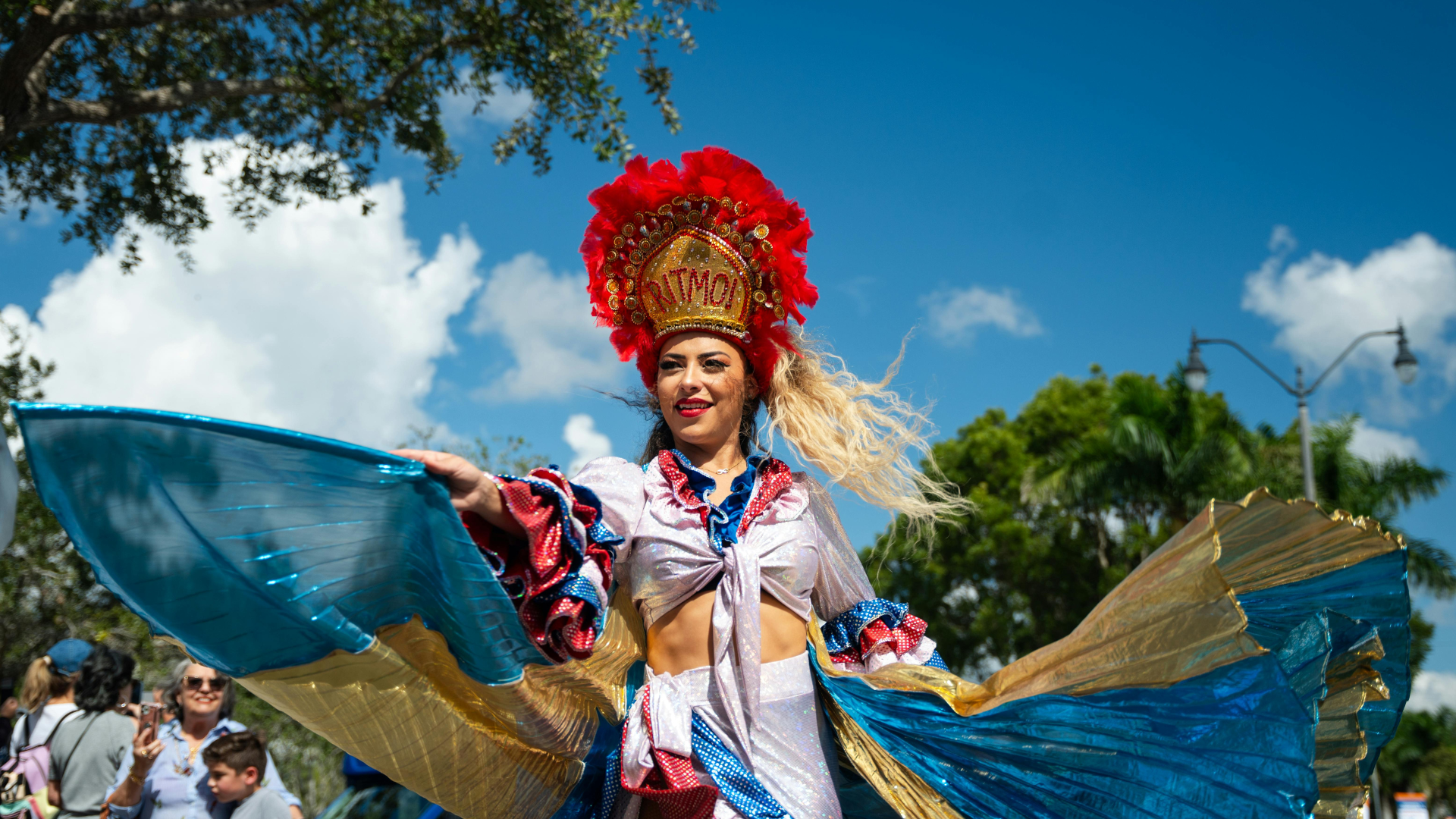
Cuba is a vibrant country rich in culture, history, and art. Visitors looking for authentic experiences will find plenty of engaging activities to immerse themselves in local traditions. The best cultural activities to enjoy in Cuba include exploring live music venues, participating in dance classes, and visiting historic sites that tell the story of the island’s complex past.
Traveling to Cuba offers opportunities to discover its unique heritage through various festivals and events that celebrate its diverse influences. From the lively atmosphere of Havana to the picturesque streets of Trinidad, there is always something happening that captivates tourists and locals alike. Engaging with local artists and artisans presents a chance to appreciate Cuba’s creative spirit firsthand.
These activities allow travelers to connect with Cuba’s rich cultural landscape and understand its people’s resilience and creativity. From the rhythm of salsa to the elegance of classic architecture, every moment spent in Cuba adds depth to the travel experience.
Foundations of Cuban Culture
Cuban culture is a rich tapestry woven from diverse historical influences, local customs, and warm hospitality. To appreciate its depth, one must explore the history, the intimate accommodations provided by local casa particulars, and the interactions that define everyday life for Cubans.
Understanding Cuban History and Heritage
Cuba’s history is marked by the convergence of indigenous cultures, Spanish colonization, and the influence of African traditions. This blend is evident in music, dance, and culinary practices.
Historical events like the Cuban Revolution have shaped national identity. Landmark sites, such as Old Havana, reflect colonial architecture and serve as reminders of the past. Festivals and celebrations, such as Carnaval, showcase the vibrant spirit of the Cuban people, embodying their resilience and creativity.
Local Hospitality and Staying in a Casa Particular
Cuban hospitality is renowned for its warmth and openness. Staying in a casa particular provides visitors with a unique opportunity to experience local life.
These private homes offer personalized accommodations, often featuring home-cooked meals that highlight traditional Cuban cuisine. Guests can engage in meaningful conversations with their hosts, gaining insights into daily life and cultural practices.
The intimate setting fosters connections that enhance the travel experience, allowing visitors to see Cuba through the eyes of those who call it home.
Connecting with Locals and Everyday Life
Interacting with locals is essential to understanding the essence of Cuba. Whether enjoying a game of dominoes in the park or chatting over coffee, these moments reveal the everyday joys and challenges faced by Cubans.
Vibrant street life often features music and dance, as cultural expressions are integral to daily activities. Local markets, showcasing fresh produce and artisan crafts, provide a glimpse into culinary traditions and craftsmanship.
By engaging with locals, travelers can appreciate the cultural nuances and shared stories that form the backbone of Cuban society.
Immersive Experiences in Havana
Havana offers a rich blend of culture and history. The city’s vibrant atmosphere is best experienced through its historic neighborhoods, lively art scenes, and significant landmarks.
Exploring Old Havana and Habana Vieja
Old Havana, or Habana Vieja, is a UNESCO World Heritage site known for its stunning colonial architecture. Visitors can stroll through cobblestone streets and admire buildings like the Palacio de los Capitanes Generales.
Key spots include:
- Plaza de la Catedral: Featuring the striking Havana Cathedral, this square is a focal point for both locals and tourists.
- Plaza Vieja: Surrounded by colorful buildings and cafes, this square often hosts local events and art exhibitions.
Exploring these areas gives insights into Cuba’s past and vibrant present. Street performers often enhance the experience, adding rhythm to the historical backdrop.
Art, Music, and Nightlife
Havana’s cultural scene thrives in its music and art. Fábrica de Arte Cubano stands out as a hub for contemporary art, featuring exhibitions, live performances, and culinary delights.
Local musicians bring the streets to life with genres such as son and salsa. Popular venues like El Floridita and La Bodeguita del Medio attract visitors with their historic significance and lively atmospheres. At these locations, patrons can enjoy classic Cuban cocktails alongside live music, creating unforgettable nights.
Historic Landmarks and Museums
Havana is dotted with significant landmarks that reflect its revolutionary history. The Museo de la Revolución offers in-depth insights into the Cuban Revolution, showcasing artifacts and exhibits.
Other key sites include:
- Revolution Square: A symbol of Cuba’s political history, featuring large murals of revolutionary figures.
- Museo Histórico Municipal: This museum highlights Havana’s evolution through diverse artifacts and exhibitions.
Visiting these sites allows for a deeper understanding of Cuba’s cultural identity and its historical transformations through the years.
Cultural Adventures Beyond the Cities
Cuba offers rich experiences outside of its bustling cities. Exploring rural landscapes, colonial towns, and natural wonders reveals the country’s cultural heritage and diverse beauty.
Viñales Valley and Tobacco Heritage
Viñales Valley is renowned for its dramatic mogotes and lush tobacco plantations. Visitors can engage in guided tours to learn about the process of growing and harvesting tobacco, crucial to Cuba’s economy. At these plantations, he or she may also witness traditional methods used in producing Cohiba cigars.
Horseback riding is a popular way to explore the valley’s picturesque scenery, providing an intimate view of the countryside. The landscape is part of a UNESCO Biosphere Reserve, making it a must-visit for nature enthusiasts.
Colonial Cities and UNESCO Sites
Cuba’s colonial cities, including Cienfuegos, Camagüey, and Trinidad, boast stunning architecture and historic charm. Trinidad’s Plaza Mayor is a centerpiece where visitors can admire colonial buildings and vibrant street life.
Cienfuegos, known as the “Pearl of the South,” features French-influenced architecture and beautiful waterfront views. Camagüey’s maze-like streets offer a unique exploration experience. These cities have earned UNESCO World Heritage status and showcase the cultural history embedded in Cuban society.
Nature, Beaches, and Ecotourism
Cuba’s coastline is dotted with beautiful beaches like Varadero and Cayo Largo, ideal for relaxing or water sports. The Bay of Pigs (Bahía de Cochinos) offers kayaking and snorkeling opportunities to discover coral reefs and marine life.
For those seeking adventure, Jardines de la Reina is a renowned dive destination within an expansive marine park. Meanwhile, Isla de la Juventud is perfect for caving enthusiasts, featuring spectacular limestone caves. Each location highlights Cuba’s natural beauty and diverse ecosystems, inviting travelers to explore.
The Flavors of Cuban Cuisine and Nightlife
Cuban cuisine blends rich flavors and ingredients influenced by its diverse culture. The nightlife offers vibrant experiences, with lively music and traditional drinks that capture the island’s spirit.
Traditional Dishes and Culinary Journey
Cuban food features a mix of Spanish, African, and Caribbean influences. Signature dishes include Ropa Vieja, a savory shredded beef stew simmered with tomatoes and spices. This dish highlights the depth of flavors essential in Cuban cooking.
Another staple, Arroz con Pollo, showcases rice cooked with chicken and a medley of vegetables, often seasoned with saffron, lending it a golden hue. The use of fresh ingredients, such as plantains and beans, rounds out classic Cuban meals, making them hearty and flavorful.
Classic Cocktails and Local Drinks
Cuban cocktails are renowned worldwide, with the Mojito being a favorite. This refreshing drink combines white rum, fresh mint, lime juice, sugar, and soda water.
The Daiquiri is another classic, blending rum, lime juice, and sugar to create a balanced combination of sweet and sour. Local rum, particularly from brands like Havana Club, serves as the base for many cocktails, showcasing the country’s rich distilling tradition.
Dining Experiences with Locals
Dining in Cuba often extends beyond food. Many travelers enjoy meals prepared by local families in paladares, private restaurants that offer intimate culinary experiences.
These establishments provide a warm atmosphere, enabling guests to taste home-cooked dishes while engaging with local culture. The small-scale nature of paladares allows for personalized service and unique family recipes that are not found in touristy spots.
Participating in these dining experiences fosters a deeper connection to Cuban life, making each meal an unforgettable part of the journey.